Do Your Own Thing
Strange Places I Visit When Travelling

I do weird shit when I travel.
But I mostly travel solo so never thought of my habits as odd. I’ve since been told, on numerous occasions, that they are, perhaps, a bit peculiar. When I travel somewhere new, which is any chance I get, I have a few rituals that better acquaint me with my new destination. While past travel companions have been on board with some of my suggestions, they have struggled to understand a few of my other touristic quests. I like to think it’s a lack of imagination on their part rather than me being innately weird, but of course I would say that. The reason I do these things has a bit more depth than what is observable on the surface, and I believe they’ve made me a better, more conscientious traveller.
I would argue that most tourists don’t travel how they want to. What I mean by this is that people arrive in popular destinations — Paris, London, Tokyo — equipped with tick-lists of what they’ve been informed are ‘must-sees’. They spend huge amounts of money, time, effort, and energy, decimating their patience levels in the process while having fallouts with family or friends, and, ultimately, end up doing things that, if they were honest with themselves, aren’t things they give a shit about. Who cares that mum and dad are getting a divorce when they get home, at least every item on that Top-10-Things-To-See-In-Prague list from Intrepid Travel’s IG account has been ticked off. Happy days.
A decade working in tourism throughout Europe and I saw this on every tour. People then wondered why, when on the holiday some people would give their left tit to be on, their happiness levels didn’t match those of the people who gave them the tick list or who were smiling (rather fucking smugly, they’ll be thinking at this point) at these destinations on social media.
The truth is that the happiness levels don’t match because tourists are on identical holidays while being completely different people. Everyone has different interests, abilities, circumstances, and hobbies. That’s what makes humans interesting. Take a moment to imagine how boring the world would be if everyone liked, created, or cared about the exact same things. Ew. No. Diversity all the way, please and thank you, and this includes in tourism.
Over the years, I’ve used the pain and mistakes of my tourists and applied it to my own travels. Now, if I don’t want to see something, eat something, or do something when in a new place, I don’t care how many travel influencers and writers tell me it’s ‘a must’ (many of them are just re-hashing other people’s trending content anyway), then I’m not doing it. Simple as.
I have a limited amount of time and money to spend, so I want to spend it seeing and experiencing things influenced, not by strangers online, but by my own interests. I’m yet to regret it.
But many tourists simply don’t know where to begin when surrounded by the depth and vastness of entire histories, cultures, and languages of new places they may know little to nothing about; when everything is brand new, it’s easy to become overwhelmed. It’s also perfectly normal. So, I thought by sharing my own travel idiosyncrasies, from an industry insider and professional traveller, others might feel a bit more at ease with doing their own weird (or even boring) shit on holiday. After all, you’ve gone away to enjoy yourself — so do it. Have an absolute fucking blast and do it your way. Unless your way is illegal, then don’t. Please don’t.
And that brings us to my first port of call when travelling: cemeteries.
Cemeteries
I love, and have always loved, a graveyard. As a kid, my dad regularly took me to play in cemeteries. By age six, I had a hierarchy of the best ones. So it makes sense that whenever I travel, it’s one of the things I research to visit on my first full day. I’ll find a local café, grab a coffee, go for a wee wander, and make my way to a local burial place.
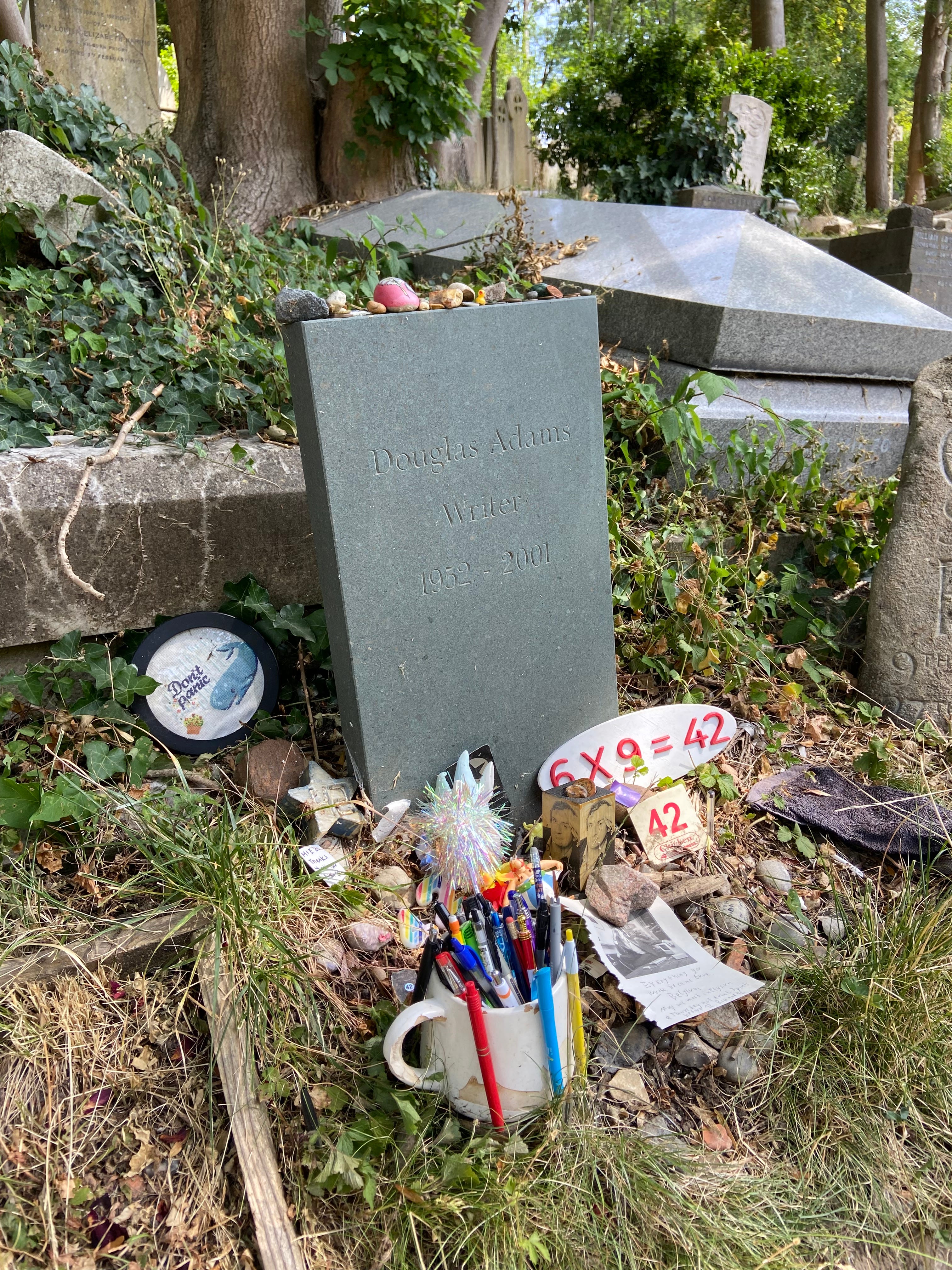
I know some will find this macabre or creepy but I find these places to be peaceful, and more informative about local culture than almost any other. You can tell a lot about a people by how they treat their dead. From cemeteries, you get a gist of average life expectancy, recognise periods of historical upheaval or unrest, and begin to understand religious and cultural practices. Once you actively begin to look for these cultural hints, you’ll always notice them.
It’s important to note that, as these are places of rest for the deceased, respect is non-negotiable, and understanding the cultural practices that accompany cemeteries involves a bit of research. I think this is another reason why I love them; researching the dress codes, expected behaviour, and general decorum of a cemetery adds a level of depth to travel planning that helps me appreciate places more.
Supermarkets
If social media is anything to go by, then this is becoming less weird and more valued as an excellent trip activity. I judge travel companion compatibility by how one answers the question, ‘do you fancy a wee nosy around the local supermarket?’. If the answer is a resounding ‘yes!’ then I know I’ve found a like-minded tourist who’s content to do random, free stuff or explore and engage with the local, everyday humdrum of how life works in a particular place. If, however, the answer is ‘no’ or ‘um, not really’ or even ‘why would we do that?’ then I know I’ll never be travelling with that person again, and I may, indeed, have to declare the entire relationship dead. What do you mean you don’t want to stare at how many types of olive this supermarket in Izmir offers? Or be charmed into buying three hundred varieties of tomato in a market in Bologna? Or panic-barter over the price of fresh mangosteen in Central Market in Phnom Penh? If that isn’t joy incarnate then I don’t know what is and I can’t possibly have this level of negative energy in my life. Goodbye.
Local, Independent Cafés
I have a mission but I also have a problem and that brings us to number three. The mission is that I want to put as much money as possible back into the local communities that are allowing me to visit and explore their homes, and shopping local and independent is a phenomenal way to do so. The problem is that I have a severe addiction to caffeine. I’m unpleasant and grumpy without it. I’m not sure why anyone would want to be without it. So the rich, warm coffee aromas of little independently-owned cafes are my go-to when travelling. ‘Coffee’ is one of the first 10 words I learn in local languages; they’re ‘hello’, ‘thank you’, ‘please’, ‘help me’, ‘toilet’, ‘goodbye,’ and ‘coffee’. Words three, four, and five are sometimes said in quick succession. Coffee can do that.
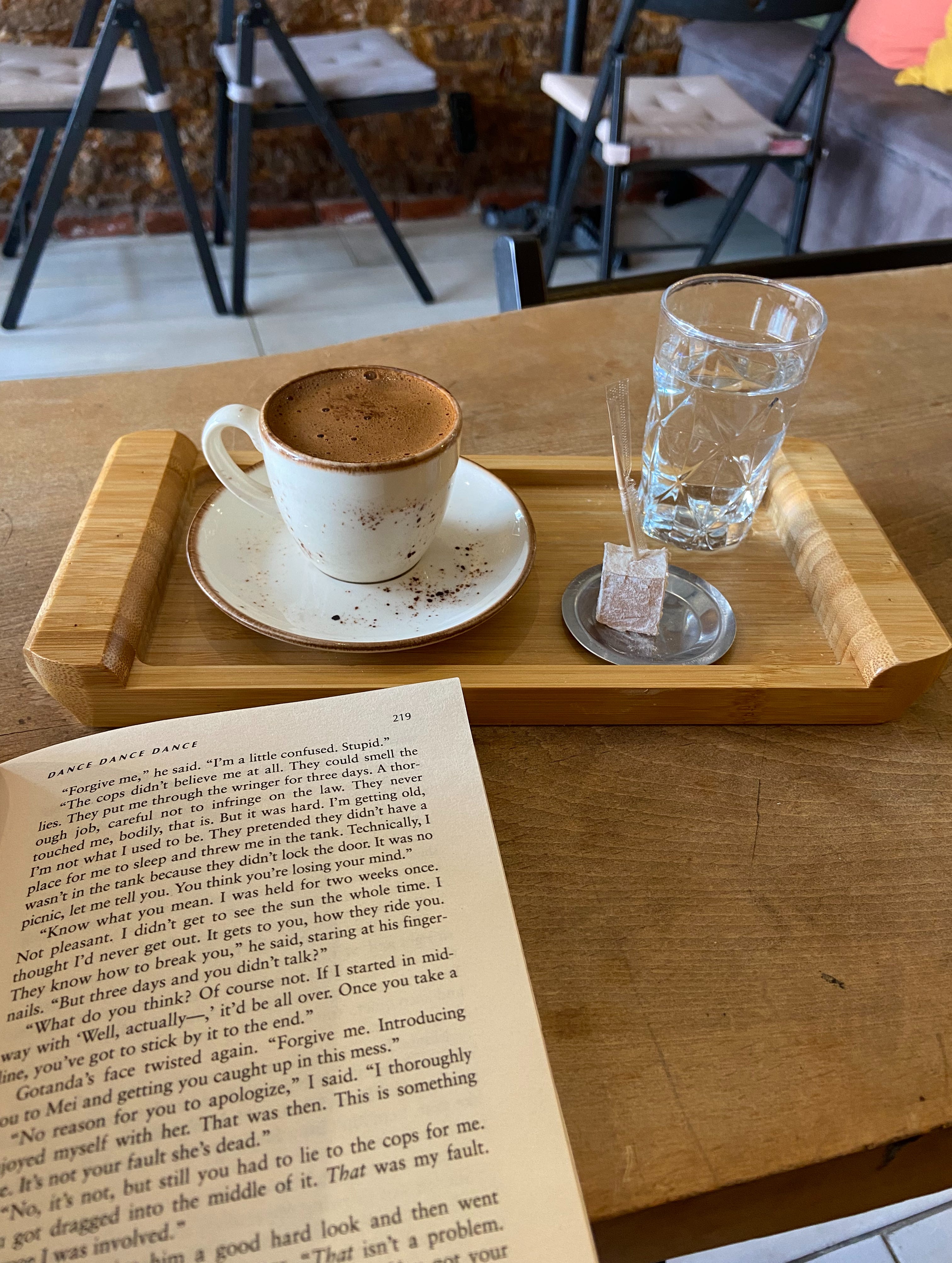
I also believe local cafes serve an important purpose when travelling. They offer a place to sit and get an idea of your surroundings without feeling overwhelmed. By sitting and watching, you begin to understand the flow and rhythms of a place, how locals interact with one another, how they greet strangers, and how manners work. Are they culturally overly-polite? Direct to the point of sounding rude? Sitting, observing, and taking everything in while sipping freshly-brewed coffee and nibbling on a local delicacy in pastry form really can’t be beat as a destination introduction.
Library or Secondhand Bookshop
Libraries are havens when you need a breather. They’re often climate controlled — heat in the winter, air con in the summer — they usually have somewhere to charge your phone, have language learning books and young children’s books in the local language (an excellent way to pick up some vocabulary basics if you can get over the weirdness of being in your 30s reading a book for a toddler in a language you don’t speak), and many have a donation box so you can contribute for the pleasure of getting all the above-mentioned services for absolutely nothing. If you want to give back to the local community in a different but real way, this is one of my favourites.
If the local library isn’t for you, or it’s a bit too far out of your comfort zone, then I recommend secondhand bookshops. Now, I can’t speak about this topic without mentioning my own linguistic privilege. As a native English speaker, I can almost always find a bookshop, or at least a section of a bookshop, that accommodates me, and this often includes secondhand ones. Unfortunately, this will not be the case for many, or even most, languages. I feel supremely lucky in this department, and I wish everyone had that same luck. One thing I try to do, if I have purchased a book from a secondhand shop, is to read my purchased book before I leave, then re-gift it to the shop so they can sell it again. I manage it most trips and it always brings me joy (and sometimes a chat, some chocolate, or a discount). Give it go.
Body of Water
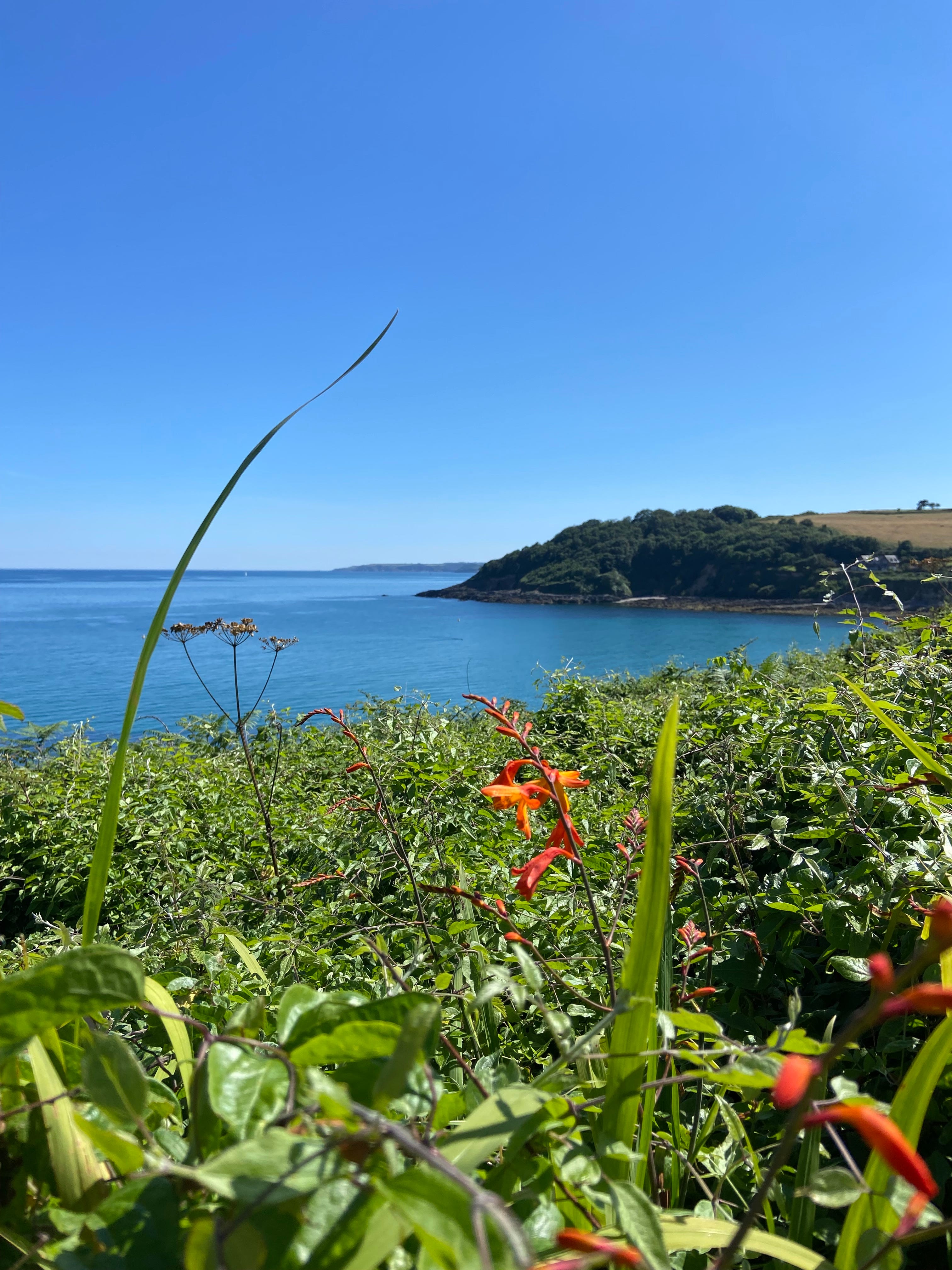
I will find a body of water. I’m not sure where this urge comes from, maybe I was a fish in another life, but I’m drawn to water with a strength I can’t describe. Once on the edge of a sea, ocean, lake, pond, stream, or even a fountain, I feel calm. I’ll pull out my secondhand book purchase, drink my wee coffee, and happily sit for hours. After a travel day, which can be stressful and exhausting even for seasoned professionals, it’s the perfect refresher. It makes me feel human, alive, and rested. It sets me up perfectly to explore my new destination and allows me to properly enjoy everything I’m taking in.
Public Transport Route
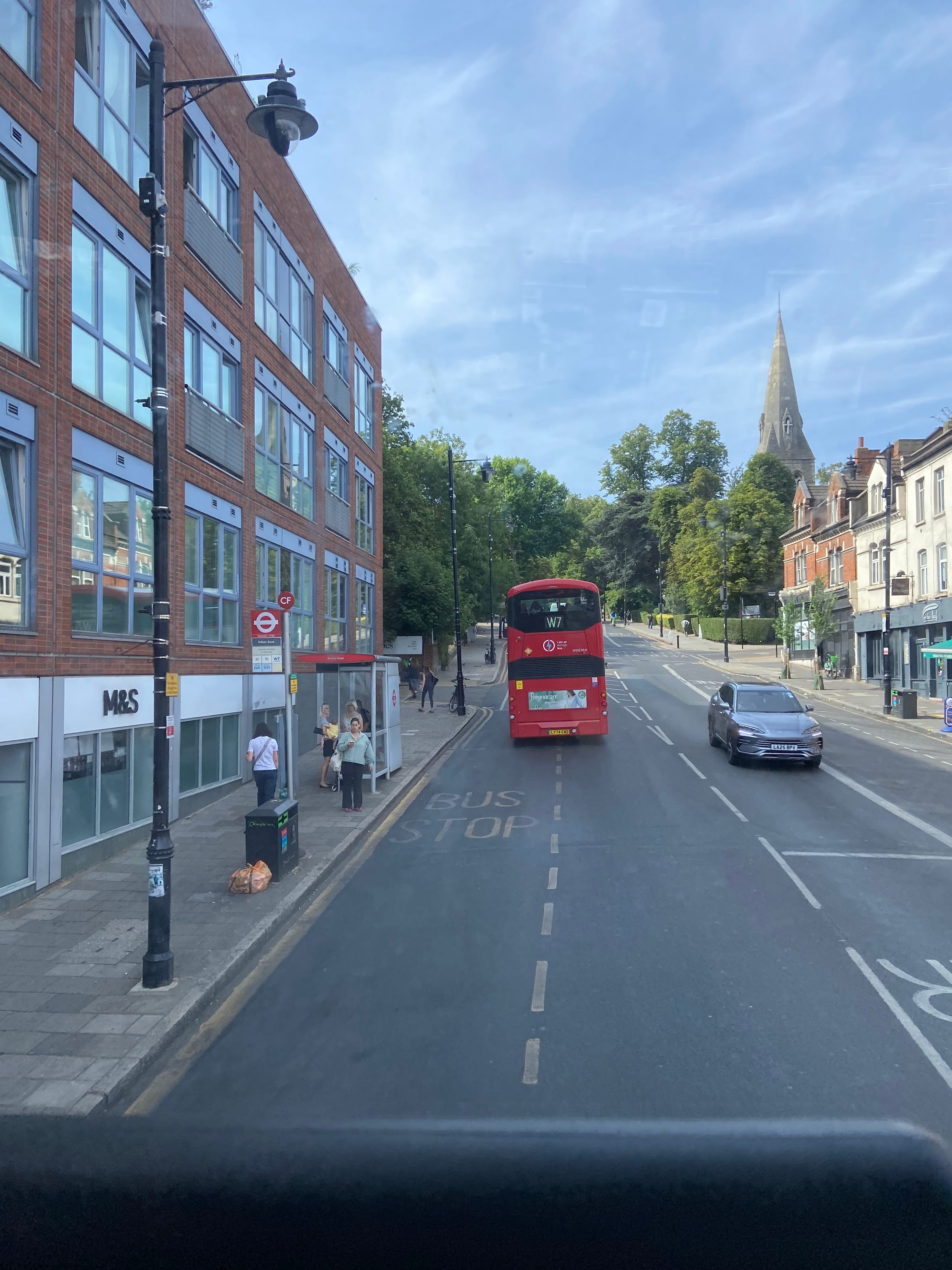
I love public transport and I will shout its praises forever. Buses, trains, ferries, funiculars, you name it, I will happily be climbing aboard. One of my favourite activities is finding a bus or train route that goes through the centre of a town or city and ride along, looking out the window, taking everything in, going nowhere in particular. This is something that I began to appreciate and incorporate into my travels when working in Berlin, where the Hop-On-Hop-Off buses were shite and pricey but happened to drive the exact route as the public number 200 bus. I realised that this is probably the case in other cities, and I’ve never looked back. With the price of your ticket, you’re funding the local public transport system rather than giving money to a global company. It’s a win-win.
Charity Shop
Recently, I’ve been trying not to buy new clothes and instead trying to rely on secondhand or charity shops. There are a few exceptions to this, such as knickers, bras, and swimming costumes — anything that’s going to be cupping or riding up into quite intimate areas, then I would rather know that my arse is the only arse that that particular pair of pants has been wedgied into on a stifling, sticky summer’s day. You know? For those of you who can mentally remove yourselves from such thoughts, enough so that you can buy those items secondhand and do better for our planet, then God bless you, you are a better person than I. My hat’s off to you.
For almost any other article of clothing, though, I love secondhand. When I’m travelling, buying an article of pre-loved clothing triples as giving money to a local business, contributing slightly less to over-consumption, and a nifty, enviable souvenir to show off when you get home. It’s hard to beat.
Weird and Wonderful: The Way to Go
Wherever you go or how you get there, it’s important to enjoy exploring the places you visit while treating the local people, culture, and communities with decency and respect. Have the holiday you want to have. Ignore the noise of influencers and writers of ‘must-see’ listicles riddled with sites that are suffering over-visitation or hold no genuine interest to you. Go find the weird and wonderful places that will give you experiences you’ll never forget and will invigorate your love of travel. From one wee travel weirdo to another, happy travels. Now, go be weird.