Riddled with SDGs
Travel and the UN Sustainable Development Goals

Anyone motivated to travel more sustainably or has done a bit of research about our climate crisis will have likely heard of the Sustainable Development Goals, or SDGs. But what are they? Why do we need them? And how do they present themselves in the real world on our holidays?
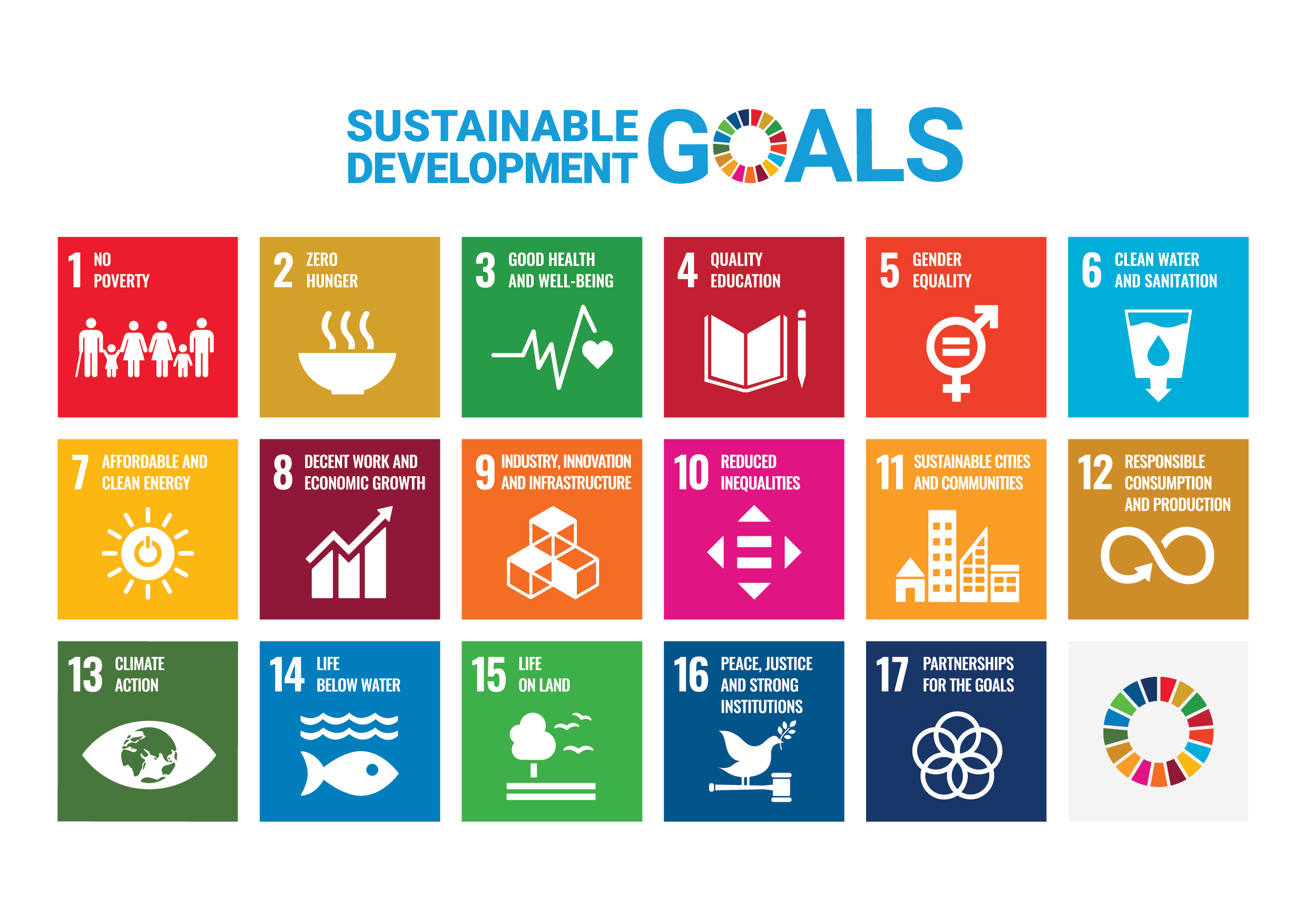
Adopted in 2015 by all 193 member states of the United Nations (UN), the SDGs are a list of 17 goals designed to act as a global call to action to end poverty, protect the planet, and ensure that all people live in peace and with prosperity. These goals intertwine to acknowledge that the progress made in one goal area will have a knock-on effect on the other 16, and that achieving these goals will require cooperation, dedication, and the balancing of social, economic, and environmental sustainability.
Those in charge have given us a deadline by which these 17 goals are to be achieved, done, and dusted.
And that deadline is 2030.
No problem. Completely doable. We, the general population, will just sort that out in our spare time, shall we? We’ll call you when they’re sorted.
Maybe don’t wait up.
While some may call me a pessimist for believing that this deadline is not viable — which I do not — I prefer to call myself a realist.
Although the time, effort, and research it took to create the SDGs, and get all 193 member nations to agree to it, is noted and much appreciated, it remains a theoretical list. It is remarkably difficult for us, the average people, to practically apply them to our everyday lives and, more specifically, our travel habits.
Although a bit doom-and-gloom in my rhetoric, I don’t want to be someone who complains and does nothing. I much prefer to be someone who does something about the problems I notice — while complaining. To do that efficiently, I’ve created a stripped-back guide that illustrates different examples and practical applications of the 17 SDGs.
It’s important to note upfront that some SDGs are far more obvious in certain places than in others; different locations have different problems — but every place has problems. Another thing to note before diving any further into this topic is this: understanding how to identify and practically apply the SDGs to our own travel behaviours will not always be comfortable. Doing so often comes with long, deep, reflective looks at our own, individual privileges, shortcomings, mindsets, and actions, and it isn’t always something that’s pretty or palatable. This is just a well-intentioned warning, but one that’s based on years of experience helping tourists do precisely that. In my professional experience, some people get angry when presented with their own privileges and shortcomings.
For eight years, it was my job to work with groups of students from international secondary schools on their trips to different cities around the globe. These were the children of the world’s wealthiest and most privileged people — think the 1% of earners in this world — their delightful offspring. It was my job to educate these inordinately privileged kids, whose parents had more money than God, about the UN’s SDGs. I was to help them understand:
What these goals are
How these goals are impacted by their behaviour
Why they should give a shit about these goals
Make them actively engage with these goals through project creation and syllabus-aligned, locally-led activities that would aid in achieving the 17 SDGs in their own local communities.
The mantra was to think global, act local. As I’m sure you’ll agree, getting the sons and daughters of oil barons, Saudi royalty, and the right-hand men of oligarchs to love workers’ rights, fossil fuel alternatives, and women’s rights was easy-peasy, lemon squeezy. I’m probably on some sort of hit list in at least 10 countries for brainwashing their youth with sustainability and equality nonsense.
While I use a bit of sarcasm to describe them, the vast majority of these kids were genuinely lovely, and working with them was beyond rewarding in so many ways. That being said, a couple of them haunt my dreams and were genuinely wee shits. Every day, I always thanked every deity and god known to man, woman, and child that I never had to have any interaction with their parents — some of whom were (and are) truly terrible people whose irresponsible, greedy, amoral actions made necessary the very goals about which I was teaching their children.
When trying to encourage these teenagers, who would rather be recording TikToks or snogging and fingering each other behind local memorials, to care about the world’s social ills and injustices, I never hid from them the fact that I didn’t think that achieving these 17 goals by 2030 was possible. I was always brutally honest about that. That being said, I would highlight that that didn’t mean we should give up, bury our heads in the sand, and not give things a go. In fact, I clearly laid out to this younger generation the countless reasons that it was imperative we try to fix things, and provided examples of the devastating reality if we didn’t. I found that most of them were interested, or at least as interested as a teenager is willing to outwardly exhibit to any adult.
I always stressed to them, as I stress to my readers now, that these global issues are too important to ignore. And, no, we can’t just leave it for someone else to do. Shifting the blame will be what kills us. Each of us must stand up, take responsibility, and do our bit to help. I suppose that’s what spurred me to start writing about sustainable, conscientious travel. I suppose that means that I owe all those kids a ‘thank you’.
As regular readers of mine will be aware, I sometimes bring that same doom-filled energy and honesty to my writing about travel — I found that if teenagers could respond well to it and employ what they learned from it, then adults would be able to do the same thing. It’s not an easy task because there is no quick fix. It’s complicated and will never have a simple solution. But it’s simply too important to not try to do something about. As with any complicated topic, it’s best to start small and at the beginning. So, we’re going to start our practical guide to how the SDGs present themselves in travel by breaking down what the Sustainable Development Goals are, four examples of how they might present themselves to tourists, and a few examples of countries that are doing them well and a few examples of countries that are not.
Around the World in 17 Goals
Achieving the 17 SDGs is a big deal. The bad news is that we are not currently on track to achieve a single one, let alone all 17 of them. Due to various setbacks such as economic downturns, wars, famines, pandemics, and political turmoil, we are a wee bit further behind than we are supposed to be, and that prescribed deadline is looming. So, what do we do? It starts with education — identifying what the goals are and how they might present themselves.
Below is a list I’ve compiled that offers a simplified snapshot of the 17 SDGs. You’ll find a brief description of what each goal is meant to be achieving, examples of what that looks like in real terms, names of some of the countries that are on track to achieve that goal by 2030, and names of some of the countries that are on the naughty list regarding that particular aim.
The data is based on the annual Sustainable Development Report. The ‘countries doing it well’ refer to nations that are steadily on track to achieve the specific SDG in question by the original goal year of 2030; this does not mean that that country has already achieved said goal but rather they’re well on their way to doing so with no stagnation or decrease in sight. Likewise, the ‘countries a bit behind’ refers to those nations that are either not on track to meeting the SDG by 2030, or their progress has stagnated or decreased to the point where success is unlikely. These can change year to year and often do.
An important note: countries are not named to impart moral judgment. Some countries are ace at trying to achieve one goal and fucking disgraceful at trying to reach another — that’s not a moral judgment, by the way, that is a fact that can be backed up by data. A place can be excellent at dealing with poverty but be detrimental to the planet in their production and use of fossil fuels — countries are complex and that is represented in the issues they choose to, or are able to, focus on.
We need to keep in mind that as countries experience various social, economic, and political situations, these goals will become easier or more difficult to achieve. To allow easy access to how countries rank on the UN SDG success scale, the United Nations compiles and issues its Sustainable Development Report annually. If you want to see how your home country or your desired travel destinations rank overall, or with regard to specific goals, this report supplies both a quick overview and a detailed breakdown for each and every UN member state and how they are succeeding or failing with each Sustainable Development Goal.
1) No Poverty
The aim: end all poverty, for everyone, everywhere
What it might look like:
i. People are properly dressed for the local climate
ii. No homelessness
iii. Public housing
iv. Few to no people begging
Countries doing it well: Algeria, Malaysia, Uruguay
Countries a bit behind: Mozambique, Venezuela, Afghanistan
2) Zero Hunger
The aim: ensure no one endures hunger, that all countries achieve food security for all, as well as improved nutrition overall, and to promote sustainable agricultural practices
What it might look like:
i. People look well-fed and well-nourished
ii. No obvious food deserts
iii. Well-stocked supermarkets with fresh produce and a range of goods affordable to locals
iv. Prevalence of allotments and community gardens with produce and herbs open to public
Countries doing it well: No country is reported as being on track
Countries a bit behind: Suriname, Brazil, Oman, North Korea
3) Good Health and Well-Being
The aim: ensure that everyone has access to healthcare so they can lead healthy lives as well as promoting healthy activities and well-being for all ages
What it might look like:
i. Public defibrillator stations
ii. Functional and accessible hospitals and medical centres
iii. People playing sports, jogging, walking, and cycling
iv. Large numbers of old people using public parks and green spaces
Countries doing it well: Japan and Norway
Countries a bit behind: Mexico, Azerbaijan, Papua New Guinea
4) Quality Education
The aim: ensure that quality education is inclusive and accessible for all and promotes lifelong learning for anyone who wants or needs it
What it might look like:
i. Numerous, in-session schools ranging from nursery to secondary
ii. Colleges and universities
iii. Public libraries
iv. Media outlets write content at a literacy comprehension level higher than 10-12 years old
Countries doing it well: Peru, Croatia, Cyprus
Countries a bit behind: Slovak Republic, Honduras, Mauritania
5) Gender Equality
The aim: achieve gender equality and empower all women and girls
What it might look like:
i. Women working in emergency services
ii. ‘Daddy & baby’ brigades at parks and cafes
iii. Women drivers — buses, taxis, private vehicles
iv. LGBTQIA+ couples openly showing affection
Countries doing it well: Argentina, South Africa, New Zealand
Countries a bit behind: Japan, Bosnia and Herzegovina, Pakistan
6) Clean Water and Sanitation
The aim: achieve the availability and sustainable management of water and sanitation for all; ties into other goals like good health and well-being
What it might look like:
i. Safe to drink tap water
ii. Public water fountains & refill stations
iii. Lots of public rubbish & recycling bins
iv. No trash and rubbish on the streets
Countries doing it well: San Marino, Monaco, Liechtenstein
Countries a bit behind: Costa Rica, Namibia, Bangladesh
7) Affordable and Clean Energy
The aim: ensure that everyone has access to affordable, reliable, sustainable, and modern energy sources
What it might look like:
i. Homes with solar panels
ii. Wind turbines
iii. Few to no visible or broken power lines
iv. Fresh air that feels clean/no smog or thick yellow glow at night
Countries doing it well: Brazil, Austria, Finland
Countries a bit behind: Russian Federation, Saudi Arabia, Guatemala
8) Decent Work and Economic Growth
The aim: promote sustained, inclusive, and sustainable economic growth, not just for a select few, but for all; it aims to achieve full, productive employment and decent working conditions for everyone
What it might look like:
i. Thriving independent businesses
ii. Office workers leaving work between 4-6pm
iii. Employees not working during lunch breaks
iv. Parents out and about with babies and young children during traditional working hours
Countries doing it well: No country is on track to meet this goal by 2030
Countries a bit behind: Columbia, Türkiye, Albania
9) Industry, Innovation, and Infrastructure
The aim: build resilient, future-proof infrastructure, promote inclusive and sustainable industrialisation, and help foster innovation
What it might look like:
i. Well-maintained roadways and bridges
ii. Few dilapidated buildings
iii. Bike lanes
iv. Functional, reliable, and accessible public transportation
Countries doing it well: Iceland and the Netherlands
Countries a bit behind: Chad, Jordan, Italy
10) Reduced Inequalities
The aim: reduce inequality of all forms within and among countries
What it might look like:
i. Wealthy and ‘white collar’ workers commuting via public transport
ii. Widely accessible public areas and businesses; disabilities-friendly
iii. Ethically diverse communities/multicultural
iv. No prevalence of couples with an obvious large age gap and nationality differences/no child brides
Countries doing it well: Belarus, Norway, Kyrgyz Republic
Countries a bit behind: United States, Brazil, Latvia
11) Sustainable Cities and Communities
The aim: make cities, any human settlement (nomadic, tribal, indigenous, displaced) inclusive, safe, resilient, and sustainable for the benefit of all
What it might look like:
i. Community centres, gardens, or initiatives
ii. Supermarkets, shops, and vendors use and sell locally-sourced products
iii. No slums or temporary settlements
iv. Locals interacting and helping one another
Countries doing it well: St. Kitts and Nevis, Palau, Andorra
Countries a bit behind: Thailand, Indonesia, Kenya
12) Responsible Consumption and Production
The aim: ensure sustainable consumption and production patterns
What it might look like:
i. Minimalism & lack of overconsumption
ii. Thriving independent cafes, restaurants, accommodation, and shops
iii. Fewer billboards & advertisements promoting global brands and corporations
iv. Minimal food and water waste by households and businesses
Countries doing it well: Madagascar, Angola, Zimbabwe
Countries a bit behind: Australia, Bhutan, United Arab Emirates, United Kingdom, Ireland, United States, Canada
13) Climate Action
The aim: take immediate action to combat climate change and its impacts on people, countries, and eco-systems
Labelled as urgent
What it might look like:
i. Bike lanes and city bikes to rent
ii. Eco-friendly and ‘green’ architecture & urban planning
iii. Minimal use of concrete and oil-based products
iv. Promotes and provides reliable, affordable no-fly, long-distance travel options
Countries doing it well: Nicaragua, Guinea-Bissau, Benin, Ethiopia
Countries a bit behind: New Zealand, South Korea, Libya
14) Life Below Water
The aim: conserve and ensure the sustainable use of the oceans, seas, and marine resources and wildlife for sustainable development
What it might look like:
i. Clean beaches
ii. Waterways with strong biodiversity along embankments
iii. Limits on tourist boating, swimming, and diving numbers
iv. The banning of certain sunscreens
Countries doing it well: No countries are on track to achieve this goal by 2030
Countries a bit behind: Panama, Cuba, Greece, Portugal
15) Life on Land
The aim: protect, restore, and promote the sustainable use of terrestrial ecosystems, sustainably manage forests, combat desertification, halt and reverse land degradation, and halt biodiversity loss
What it might look like:
i. Animal bridges under or across busy roads and motorways
ii. Bans on hunting/poaching (small and big game)
iii. No captive animals used for photo opportunities and tourist rides
iv. Rewilding in urban areas
Countries doing it well: Belarus is currently the only country on track to achieve this goal by 2030
Countries a bit behind: Vietnam, Spain, Iceland, Sweden, Norway
16) Peace, Justice, and Strong Institutions
The aim: promote peaceful and inclusive societies for sustainable development, provide access to justice for all and build effective, accountable and inclusive institutions at all levels
What it might look like:
i. No war
ii. Can take the piss out of local leadership on entertainment outlets and social media
iii. Journalists don’t go missing or die mysteriously
iv. Bribery is not expected
Countries doing it well: No countries are on track to achieve this goal by 2030
Countries a bit behind: Belarus, Nigeria, India, Bolivia
17) Partnerships for the Goals
The aim: strengthen the means of implementation and revitalise the global partnership for sustainable development
v What it might look like:
i. Multi-faith centres and places of worship
ii. No hostile, ongoing military engagement or action (state of peace)
iii. Lack of propaganda against other nations or peoples
iv. Signposting of the SDGs, reputable international charities and NGOs, and bodies such as the World Health Organisation (WHO), International Criminal Court (ICC), and the United Nations (UN)
Countries doing it well: Uruguay is the only country on track to achieve this goal by 2030
Countries a bit behind: United States, United Kingdom, Spain, Switzerland, Netherlands
The SDGs and Tourism: More Than a Holiday Fling
Understanding how these development goals tie into tourism is the key to making sure that, as tourists, we are travelling to places and in ways that cause as little damage as possible to our chosen destinations, and ensure that our holiday money is working to benefit the local communities, cultures, and peoples of those destinations.
Although far from a perfect list, by using the UN SDGs as a guideline to educate ourselves about global issues, we can apply our acquired knowledge to local situations when we travel. They serve as a gauge for what some countries are doing well regarding sustainability and we can aim to travel to them more frequently. They provide us with a stronger understanding of certain destinations’ limitations, and what they may or may not be able to provide to us when we are visiting, hence tempering our expectations and grounding them in reality. This can result in more respectful behaviour from us tourists and help foster a deeper, more authentic connection between ourselves and locals. They also serve as a list of places that are best avoided by certain demographics of travellers for those traveller’s’ own safety.
As much as I would love the world to be open to everyone to explore fully, that is simply not the reality. In order to travel more conscientiously, we have to look at tourism and the world as it is, not as we wish to see it. That reality can be brutal and disappointing. If you were unaware of that before and you were hoping for a happy-clappy, influencer-style take on sustainable travel and eco-tourism, I’m sad to say that you’re reading the wrong Substack — there will be little of that here. We’ll traverse the roads of conscientious travel with swearing, sarcasm, and pessimism as is right and good.
Sustainable tourism is explicitly mentioned in the sub-points of three of the 17 SDGs: number 8 (Decent Work and Economic Growth), number 12 (Responsible Consumption and Production), and number 14 (Life Below Water). However, tourism plays a key role in all of the Sustainable Development Goals; we simply cannot achieve the goals without tourism, and we simply cannot remove the SDGs from tourism — they are inextricably intertwined. Due to the two being so reliant on one another, it means that as tourists and travellers, we must be sure that we are doing our best to explore our world sustainably and conscientiously. If we don’t, we run the risk to destroying the countries, cultures, peoples, and landscapes that we so desire to explore and engage with.
‘Til Death Us Do Part
As dark and dramatic as it sounds, if we don’t start to take the SDGs seriously, push for their successful completion from our local powers-that-be, and begin to make the small, individual changes in our personal lives that will aid in their completion (including our approaches to travel) then we could very much be signing our own death warrant. It starts with us making the slightly less comfortable options on our own trips and travels. They won’t always be the easiest or most luxurious choices, but they will be the most beneficial.
As someone who travels a great deal, I am always highly aware of what you list as SDG goals #12 and #14, since they both involve local businesses, something about which a traveler makes decisions on a daily basis. Over the years, it has become more difficult (in some cases) to separate who is really local and who is fronting for some foreign corporation that siphons away the profits. It can take some research to find out.